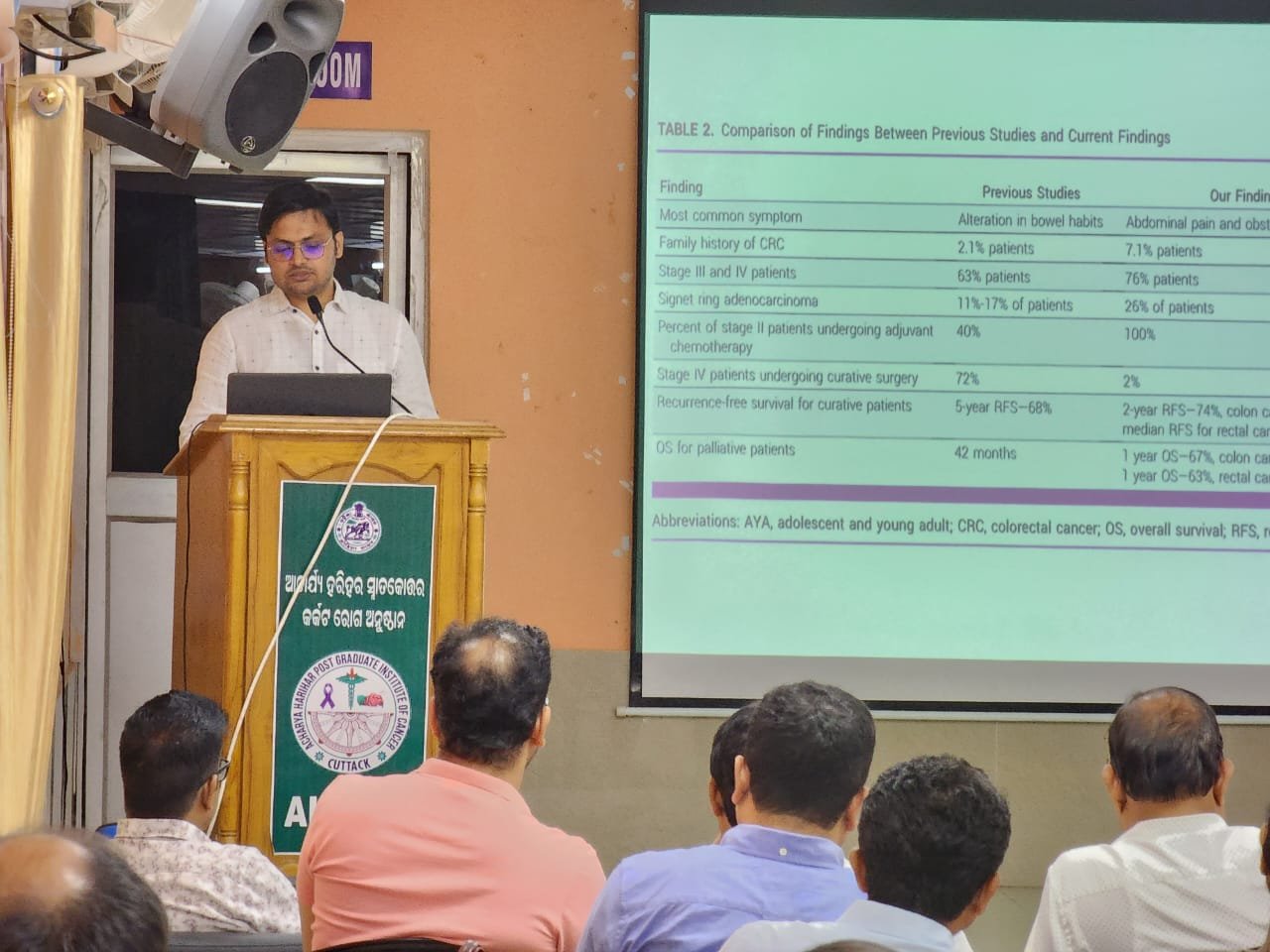

Cancer treatment has evolved significantly over the years. Today, patients have access to several treatment approaches, including chemotherapy, immunotherapy, targeted therapy and radiation therapy.
Two commonly discussed cancer treatments are chemotherapy and immunotherapy. Although both aim to control or eliminate cancer, they work through entirely different mechanisms.
Understanding these differences can help patients and families make informed decisions when discussing treatment options with a medical oncologist.
What Is Chemotherapy?
Chemotherapy is a cancer treatment that uses medicines to destroy cancer cells or stop them from growing and dividing.
Cancer cells generally multiply rapidly. Chemotherapy medicines target rapidly dividing cells, helping control cancer growth.
Chemotherapy may be recommended:
- Before surgery to shrink a tumour.
- After surgery to reduce the risk of cancer recurrence.
- Alongside radiation therapy.
- For cancers that have spread to other organs.
- To control advanced cancer and relieve symptoms.
Common side effects may include nausea, fatigue, hair loss, mouth sores and reduced blood cell counts. The effects vary depending on the medicines used.
What Is Immunotherapy?
Immunotherapy is a treatment that helps the body’s immune system recognise and fight cancer cells.
Some cancer cells develop mechanisms that allow them to escape immune-system detection. Certain immunotherapy medicines, particularly immune checkpoint inhibitors, help remove these protective mechanisms so immune cells can attack cancer more effectively.
Immunotherapy is used in selected cancers, including certain lung cancers, melanoma, kidney cancers and other tumour types.
Possible side effects include fatigue, skin reactions, diarrhoea and inflammation of organs such as the lungs, liver or thyroid.
Chemotherapy vs Immunotherapy: Key Differences
| Feature | Chemotherapy | Immunotherapy |
|---|---|---|
| Mechanism | Directly attacks cancer cells | Helps the immune system fight cancer |
| Treatment approach | Targets rapidly dividing cells | Modifies immune responses |
| Side effects | Hair loss, nausea, low blood counts | Immune-related inflammation |
| Suitability | Used across many cancer types | Used in selected cancers |
| Testing | Depends on cancer diagnosis | Biomarker testing may be required |
Which Treatment Is Better?
There is no universally better treatment. The right choice depends on the cancer type, stage, pathology report, molecular markers, overall health and previous treatments.
In some situations, doctors may recommend chemotherapy and immunotherapy together.
Frequently Asked Questions
1. Is immunotherapy safer than chemotherapy?
Not necessarily. Both treatments have potential side effects. Immunotherapy can sometimes cause serious immune-related complications that require prompt medical attention.
2. Does immunotherapy cure cancer?
Some patients experience long-lasting responses, but immunotherapy does not work for everyone. Outcomes depend on the cancer type and individual characteristics.
3. Can chemotherapy and immunotherapy be given together?
Yes. Certain cancer treatment protocols combine both approaches.
Consult a Medical Oncologist in Raipur
Choosing the right cancer treatment requires an individualised medical evaluation. Patients searching for a medical oncologist in Raipur should seek specialist advice before starting or changing treatment.
Dr. Ayush Dubey, Medical Oncologist in Raipur, provides specialist guidance on cancer treatment approaches, including chemotherapy, immunotherapy and other systemic cancer therapies.
Every cancer is different. The right treatment begins with understanding the disease.